



Photo via Unsplash by Pukima
Mastering the Snowy Aesthetic: Winter is one of the most rewarding seasons for photography, but it also presents unique challenges: blinding snow glare, flat gray overcast skies, and freezing temperatures that drain batteries in minutes.
Whether you shoot on an iPhone or a professional full-frame camera, these 8 practical techniques will take your cold-weather travel photos from dull and gray to dreamy, cozy, and magazine-ready.
1. Adjust Your Exposure Compensation (+0.7 to +1.0)
Modern camera light meters measure scene brightness and average everything out to middle gray. Because snow is bright white, cameras assume the scene is overexposed and automatically darken it. Always manually increase your exposure by +0.7 to +1.3 stops so the snow renders as brilliant, pure white.
2. Shoot in RAW Format
Shooting in RAW preserves all color and dynamic range data. In winter, highlights can blow out on snow while shadows under pine trees become dark. A RAW file allows you to effortlessly recover shadow detail and fine-tune your white balance in Lightroom without degrading quality.
3. Add a Pop of Contrast Color
Snowy landscapes are predominantly monochrome (white, gray, and dark green). To make your Pinterest pins stop scrollers in their tracks, introduce an intentional pop of vibrant warm color: a bright red beanie, mustard yellow puffer jacket, or rustic orange wool scarf.
4. Embrace the “Blue Hour” Glow
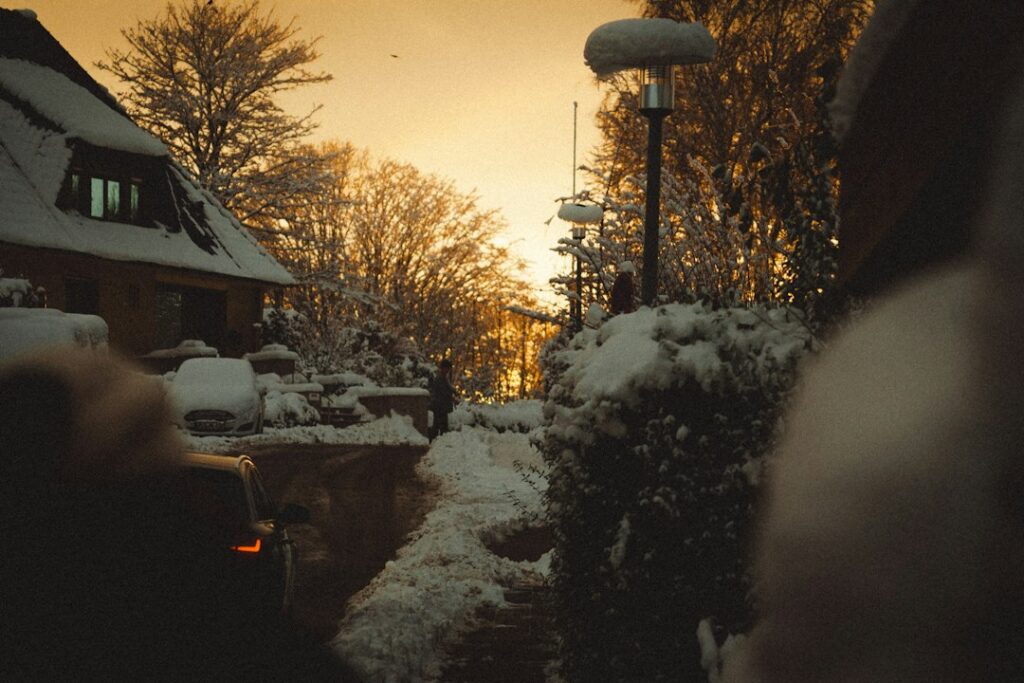
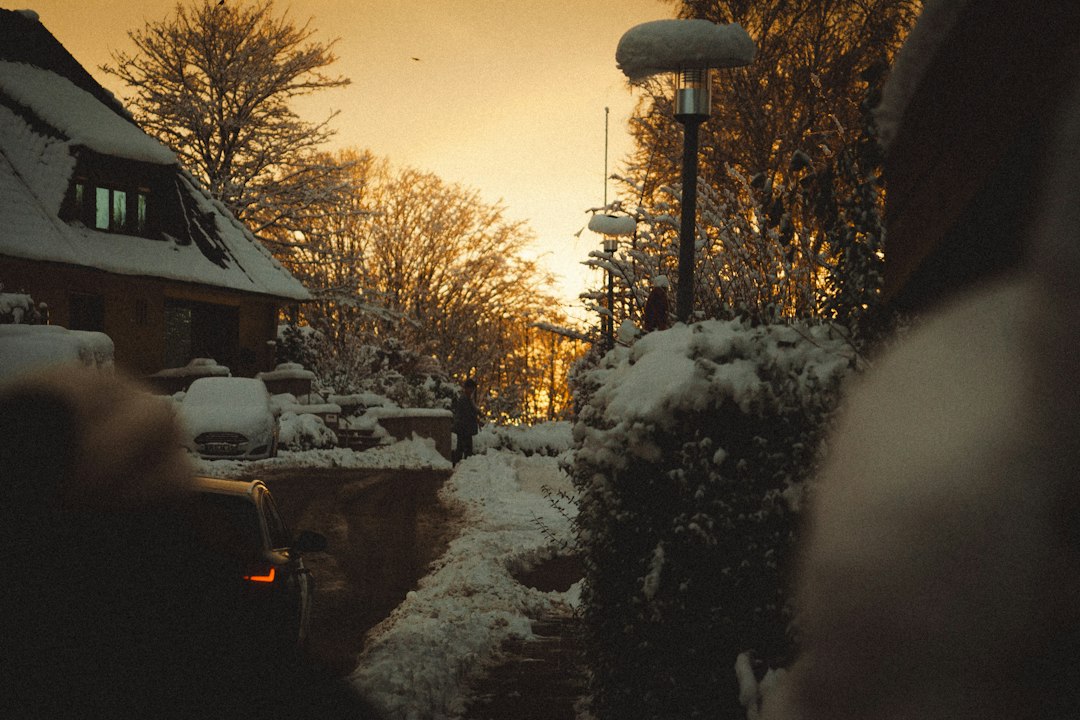
Thirty minutes after sunset, ambient light turns a rich cobalt blue while village streetlamps, chalets, and hotel windows glow warm golden amber. This complementary color contrast (cool blue vs. warm orange) produces the coziest travel images possible.
5. How to Shoot Falling Snowflakes
To capture falling snowflakes as distinct frozen specks rather than blurry streaks, use a shutter speed of 1/250s or faster with a wide aperture (f/2.8). When shooting with a smartphone, enable Portrait Mode—it creates a shallow depth of field that blurs snowflakes near the lens into soft bokeh orbs.
6. Protect Your Gear From Condensation
When you bring a cold camera from a -10°C outdoor environment into a warm, humid chalet, condensation instantly coats the lens elements and internal electronics. Pro Tip: Before stepping inside, seal your camera inside a zip-top plastic bag. The condensation will form on the outside of the bag while the camera warms up gradually.
7. Keep Spare Batteries Inside Your Jacket
Lithium-ion batteries hate sub-zero temperatures. Cold slows chemical reactions, making your camera show a “low battery” warning after just 20 minutes. Keep spare batteries inside an interior coat pocket close to your body heat, and swap them as needed.
8. Look for Intimate Texture Details
Don’t just take wide landscape shots. Zoom in on frosty pine needles, steaming hot mugs of coffee held with chunky knit mittens, footprints winding through undisturbed powder, and icicles hanging from timber eaves.
📱 Smartphone Photography Quick Settings
- Tap on your subject, then slide the sun icon upward slightly to brighten the snow.
- Use 2x or 3x optical telephoto lenses rather than digital zoom for cleaner compression.
- Turn off HDR if it makes snowy clouds look unnaturally dark or muddy.